What Is Manuka Honey? Meet New Zealand's Rare Honey
From the manuka bush that flowers only a few weeks a year to what MGO and UMF grades actually mean — a label-reading guide.

Manuka honey comes from the flowers of the manuka bush (Leptospermum scoparium), native to New Zealand. The plant blooms for only two to six weeks a year; the nectar bees gather in this short window makes manuka one of the most supply-limited honeys in the world. Its rarity and distinctive character set it apart from ordinary blossom honeys.
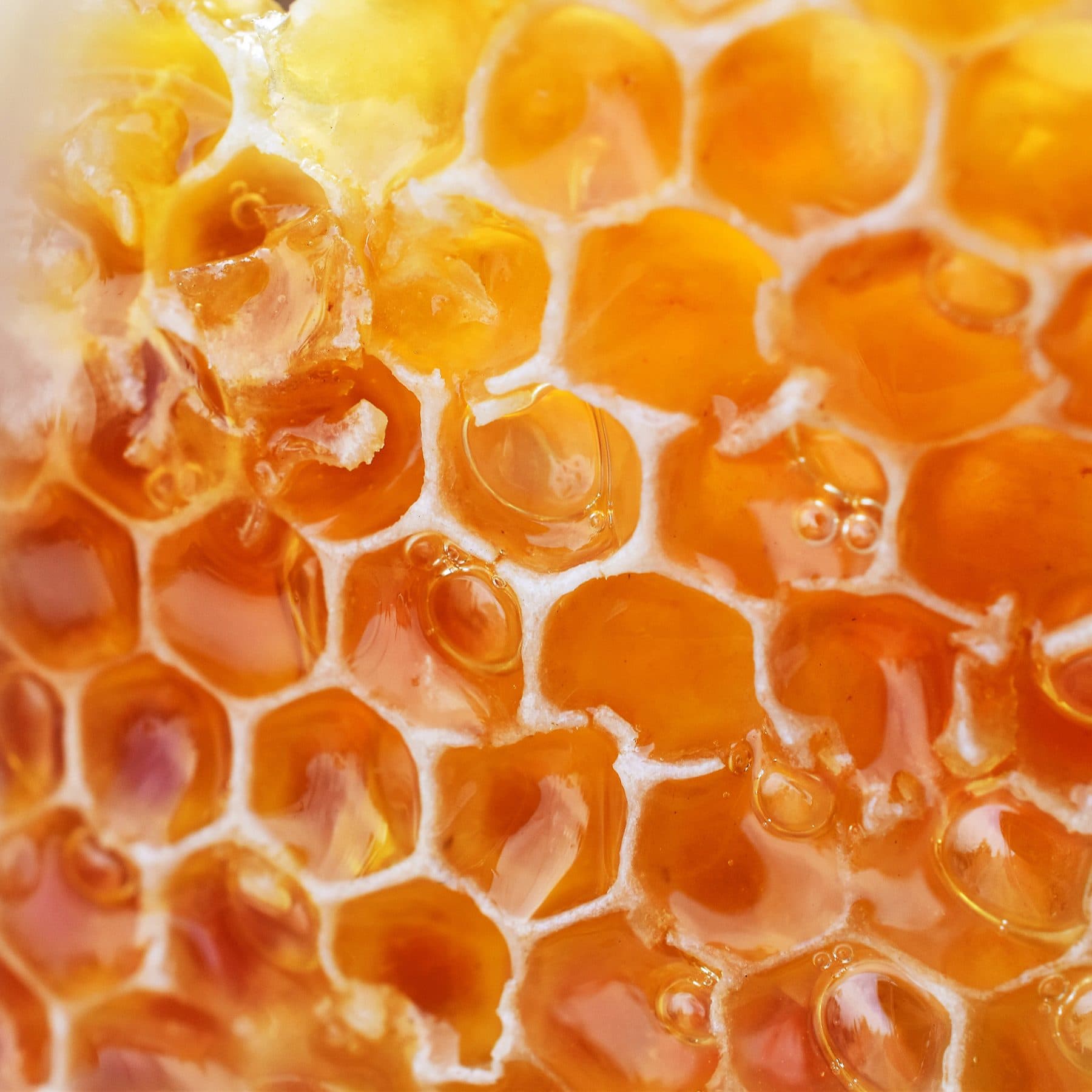
Its taste profile is different too: darker than classic blossom honey, earthy, lightly caramelised, with a less sharp sweetness. It is thick in texture and slow to crystallise.
MGO and UMF: what do the label numbers say?
To distinguish genuine manuka honey from imitations, the industry uses two grading systems. MGO measures the methylglyoxal compound in milligrams per kilogram; the higher the number, the more concentrated the compound. UMF (Unique Manuka Factor) is a quality seal used by licensed New Zealand producers that verifies several chemical markers together. Both grades document the honey's identity and concentration — they are not a health promise.
Labels also distinguish "monofloral" (predominantly manuka nectar) from "multifloral" (mixed nectar). The New Zealand government requires independent laboratory testing before exported honey may be called manuka.
Manuka at the table
Because of its intense character, manuka honey is usually enjoyed in small portions: a thin layer on toast, a teaspoon over yoghurt or oats. The QminC Manuka Honey drink brings this rare honey together with fish-derived collagen peptides and vitamin C in a single ready-to-drink 150 mL bottle, designed to be served chilled.
Articles in this section are general information and lifestyle content only; they are not health claims, diagnoses or treatment advice. Food supplements are not medicines and are not intended to prevent or treat any disease. Authorised product claims appear only in the "Nutrition" section of each product page.