Ginger: The Root That Travelled the World's Kitchens
From Southeast Asia to the spice routes, from ginger ale to Thai street tea — the cultural journey of the pungent root.
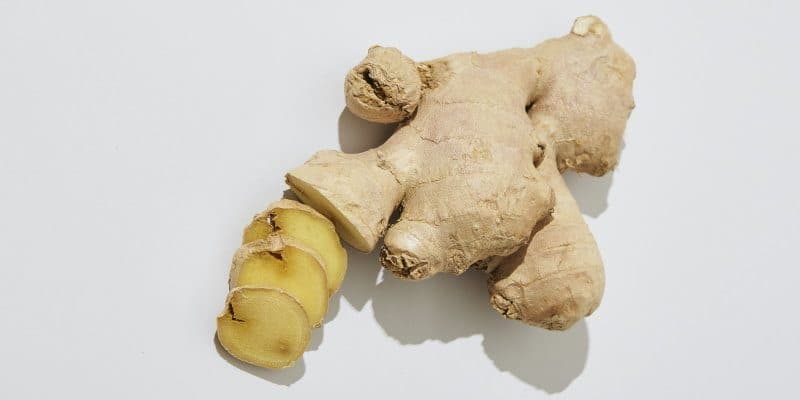
Ginger (Zingiber officinale) is a rhizome native to Southeast Asia — the part we eat is not the root itself but a stem that grows horizontally underground. As one of the oldest items of the spice trade it spread from Asia to the Middle East, then to Europe and Africa, finding a new role in every kitchen it visited.
Its sharp, warming aroma comes from flavour compounds of the gingerol family. Bright and citrusy in the fresh root, this character mellows into a softer, sweeter profile when dried and ground — the warm tone of gingerbread comes from there.
Honey and ginger: a classic pair
Ginger's pungency and honey's soft sweetness appear together across many cultures: hot ginger tea "nam khing" from Thai street stalls, Korean "saenggang-cha" made from honey-ginger preserve, and Western drinks like ginger ale and switchel are all takes on the same pairing.
QminC Ginger carries this classic harmony into a ready bottle: real ginger root extract and honey, together with vitamins C and D, vitamin E and zinc, in a 150 mL food supplement drink served chilled.
Kitchen notes
When buying fresh ginger choose pieces with taut, shiny skin; wrinkled skin signals an old root. Scraping the skin with a spoon instead of a knife is easier and wastes less. Grated ginger keeps for months in the freezer in small portions.
Articles in this section are general information and lifestyle content only; they are not health claims, diagnoses or treatment advice. Food supplements are not medicines and are not intended to prevent or treat any disease. Authorised product claims appear only in the "Nutrition" section of each product page.