Turmeric: The Golden Spice of World Kitchens
Turmeric, South Asia's root of several millennia; its journey from curry tables to "golden milk" and curcumin, the pigment behind its colour.
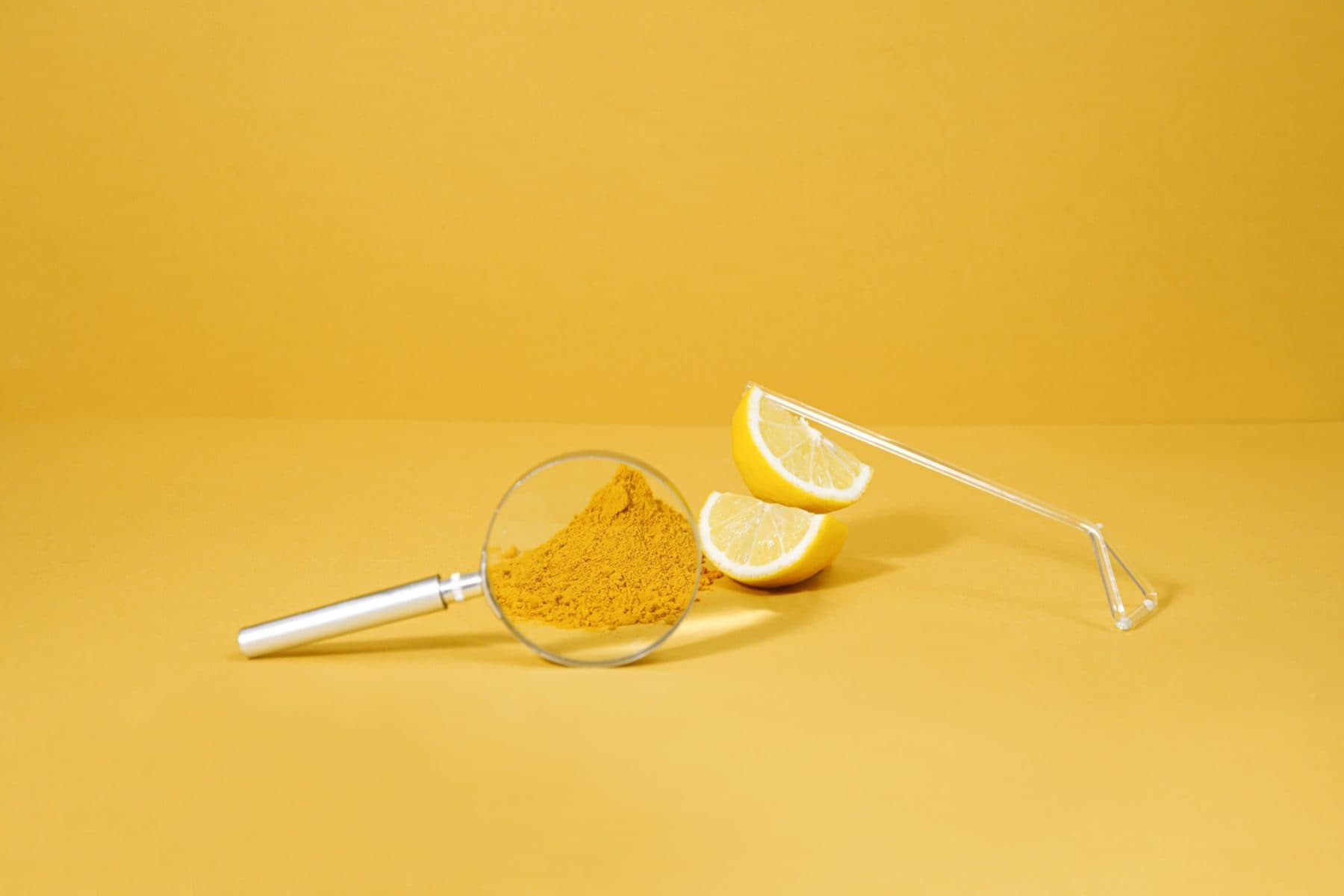
Turmeric (Curcuma longa) is a root plant from the ginger family, native to South Asia. For thousands of years it has served as both a spice and a natural dye: it is the root that gives Indian curries their yellow colour and remains inseparable from yellow curries and street food in Thai cuisine.
Dried and ground, the warm yellow powder finds its way into countless recipes — rice dishes, soups, pickles and sherbets. "Golden milk" (haldi doodh), turmeric stirred into warm milk, is a table tradition passed down through generations in South Asia.
What is curcumin?
The family of compounds that gives turmeric its colour is called curcuminoids, and its best-known member is curcumin. Curcumin is the root's bright yellow-orange pigment; the food industry also uses it as a natural colourant under the code E100. Only a small fraction of turmeric powder consists of curcuminoids — which is why beverages and supplement formulas usually use a concentrated turmeric extract.
QminC Curcumin reinterprets this tradition in a modern format: a ready-to-drink 150 mL food supplement beverage that pairs turmeric extract prepared with nano-liposome technology with the freshness of lemon.
Storing turmeric in the kitchen
Ground turmeric keeps its aroma for a long time when stored in a sealed jar away from light and moisture. Fresh root lasts a few weeks in the fridge wrapped in paper towel. It can stain hands and countertops — lemon juice and baking soda lift most marks.
Articles in this section are general information and lifestyle content only; they are not health claims, diagnoses or treatment advice. Food supplements are not medicines and are not intended to prevent or treat any disease. Authorised product claims appear only in the "Nutrition" section of each product page.